|
|
| |
CASE REPORTS
An Instructive Case of Cerebral Mucormycosis
Belinda Shao, MD, MPH; Matthew J. Hagan, BS; Rahul A. Sastry, MD;
Michael Kritselis, DO; John E. Donahue, MD; Steven A. Toms, MD
Successful Fracture Healing for Femoral Neck Nonunion with Bone Marrow Aspirate Concentrate
Jacob M. Modest, MD; Nicholas J. Lemme, MD; Edward J. Testa, MD; Andrew R. Evans, MD;
Daniel B. C. Reid, MD, MPH
Pyridoxine-Dependent Epilepsy as a Cause of Neonatal Seizures
Hoi See Tsao, MD, MPH; Sarah D. Case, MD |
|
|
|
|
CONTRIBUTIONS
Causes of Death in COVID-19 Patients with Cardiac Injury
Xiuhong Lyu, MD, PhD; Khushal Choudhary, MD; John Miskovsky, MD;
Vincent Armenio, MD; Wen-Chih Wu, MD, MPH
Frameworks for Global Health Collaboration in Pandemic Disease
J. Austin Lee, MD, MPH; Ramu Kharel, MD, MPH; Sonya Naganathan, MD, MPH;
Naz Karim, MD, MHA, MPH; Adam R. Aluisio, MD, MSc, DTM&H; Adam C. Levine, MD, MPH
Eliminating Disparities in Young Adult Tobacco Use:
The Need for Integrated Behavioral Healthcare
Samantha R. Rosenthal, PhD, MPH; Izabelle A. Wensley; Jonathan K. Noel, PhD, MPH
Predictors of Price Transparency for Cataract Surgery and Laser Posterior Capsulotomy
at Academic Hospitals in the United States
John C. Lin; Sophia Y. Ghauri; Dustin D. French, PhD; Ingrid U. Scott, MD, MPH;
Paul B. Greenberg, MD, MPH
Adequacy Rate of Magnesium Citrate Bowel Preparation in a Large Retrospective Cohort
Mohd Amer AlSamman, MD; Stephanie Leung, MD; Abdelmoniem Moustafa, MD;
Mohamed Abeid, MD; Grayson L. Baird, PhD; Samir A. Shah, MD, FACG |
|
|
|
COMMENTARY
Hospital Community Benefits in a Changing Health Care System
Robert B. Hackey, PhD; Emma McLeod, BS; Jillian Noack, BS; Georgia Seaver, BS
What America’s Struggle with Abortion Access Means for Reproductive Healthcare in Rhode Island
Julie Blossom-Hartley, MD; Neha Reddy, MPH; Andrea Arena, MD; Jennifer Buckley MD
The Role, Importance of Timely Rehabilitation During the Pandemic
Alexios G. Carayannopoulos, DO, MPH, DABPMR, FAAOE, FFSMB; Igor N. Burdenko, PhD |
Heritage
In RIMJ 50-plus years ago: ‘One and Two Sentence Essays’
Mary Korr |
WE ARE READ EVERYWHERE
Alpine Meadows and Palisades Tahoe, California |
RIMS NEWS
Working for You |
SPOTLIGHT
‘BrainGate+SoftRobotics’ team wins CERF ALS research prize |
In the News
[5-page pdf]
Lifespan, CNE withdraw merger application
RI first in US for percentage of population fully vaccinated
CDC releases new reports on health, well-being of children during COVID-19
Innovative treatment for GERD marks first for RI
$10M gift from Reed Hastings, Patty Quillin to bolster 58-year-old Brown-Tougaloo Partnership
Brown researchers awarded Foundation for Opioid Response grant
RI graded ‘B’ for gun safety laws |
People/Places [3-page pdf]
Passages: In Memoriam
Paul Edward Farmer, MD, PhD, passes away in Rwanda
APPOINTMENTS
Kwame Dapaah-Afriyie, MD, named Governor-elect of RIACP
Ramin Ronald Tabaddor, MD, named Chief of Orthopedics for Kent Hospital
Recognition
HopeHealth achieves SAGECare Platinum credential for serving LGBT elders |
OBITUARIES [1-page pdf]
Henry G. Magendantz, MD
|
|
| |
| RHODE ISLAND MEDICAL JOURNAL (USPS 464-820), a monthly publication, is owned and published by the Rhode Island Medical Society, 405 Promenade Street, Suite A, Providence RI 02908, 401-331-3207. All rights reserved. ISSN 2327-2228. Published articles represent opinions of the authors and do not necessarily reflect the official policy of the Rhode Island Medical Society, unless clearly specified. Advertisements do not imply sponsorship or endorsement by the Rhode Island Medical Society. |
© Copyright 2013–2022, Rhode Island Medical Society, All rights reserved. |
|
|
|
VIDEOS IN MEDICINE
Apraxia – Joseph H. Friedman, MD
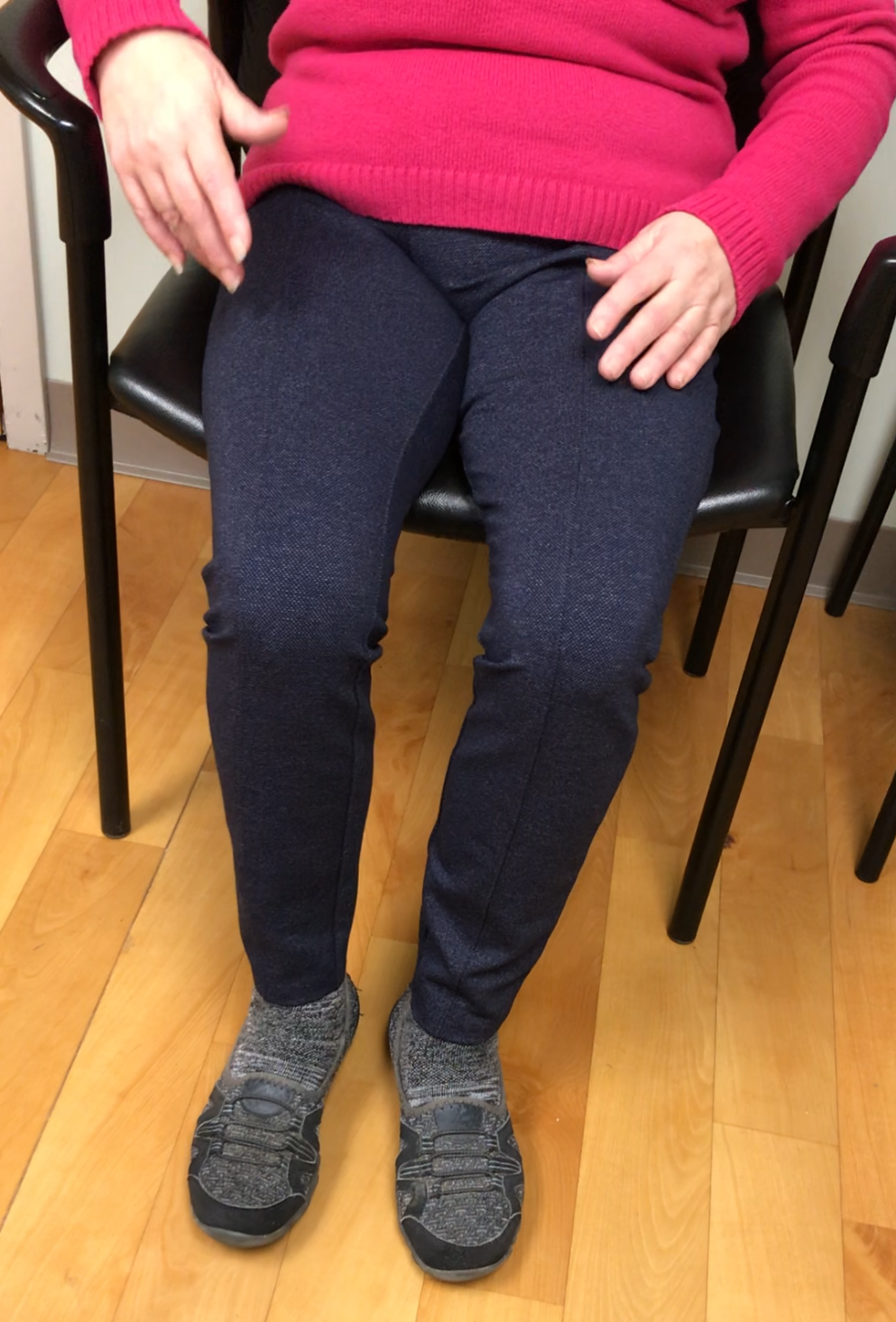
This patient has a rare neurodegenerative disorder, corticobasal syndrome. It has that name because it causes parkinsonism (a syndrome with slowed movements, stooped posture and shuffling gait), a basal ganglia disorder, and aphasia or apraxia, both caused by dysfunction in the cerebral cortex.
Apraxia is an inability to voluntarily perform a maneuver that the person is physically able to perform. In this case, she has difficulty continuing to perform rapid alternating hand movements on the left after doing a few. More severe was her inability to slide her left foot up and down her right shin. Apraxia is due to dysfunction in the parietal lobe and is seen in a number of disorders, most commonly stroke. It is rarely so severe as in this case.
Vimeo link: https://vimeo.com/674517555
|
|
|
|