|
MAY 2016 |
Volume 99, Number 5 |
|
|
|
| |
|
|
14 |
VIDEOS IN CLINIC MEDICINE
New feature, open for submissions |
|
|
| |
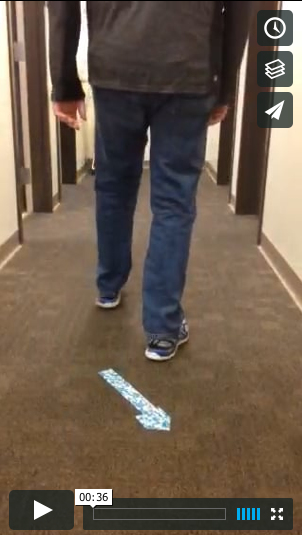
Dystonic Gait Developing After Elective, Unremarkable Hip Surgery
Umer Akbar, MD; Joseph H. Friedman, MD
WATCH VIDEO [0:36] or Download RIMJ PDF
|
|
|
CONTRIBUTIONS |
15 |
Cost and Selection of Ophthalmic Anti-Vascular Endothelial Growth Factor Agents
Emily Li, MD; Paul B. Greenberg, MD; Indu Voruganti, MS; Magdalena G. Krzystolik, MD
|
18 |
Adolescent Perspectives on Addressing Youth Violence
in the Primary Care Setting
Alison Riese, MD, MPH; Anne Gabonay Frank, MD;
Natasha Frederick, MD, MPH; Elizabeth Dawson-Hahn, MD, MPH; Sarah M. Bagley, MD; Bonnie O’Connor, PhD |
22 |
Pseudotumor cerebri:
What We Have Learned from the Idiopathic Intracranial Hypertension Treatment Trial
Rachel V. Thakore, BS; Meredith A.J. Johnson, MPH; Gregory B. Krohel, MD; Lenworth N. Johnson, MD, MA (hon.) |
25 |
An Analysis of Organ Donation Policy in the United States
Ghazi Ahmad; Sadia Iftikhar, MD |
28 |
Modifiable Risk Factors in Total Joint Arthroplasty:
A Pilot Study
Steven F. DeFroda, MD, ME; Lee E. Rubin, MD; Derek R. Jenkins, MD |
|
|
|
|
|
COMMENTARY
(7-page section)
|
7 |
No stone unturned
JOSEPH H. FRIEDMAN, MD |
| |
Downton Abbey’s
‘Medical’ Finale
HERBERT RAKATANSKY, MD |
|
|
40 |
RIMS NEWS
(6-page section)
|
|
Working for You |
| |
Mix & Mingle |
|
Why You Should Join RIMS |
|
|
|
|
|
IN THE NEWS
(complete 8-page section) |
46 |
Lifespan, several Rhode Island physician groups form independent physician association
Community Physician Partners, Inc., includes Anchor Medical Associates, Medical Associates of Rhode Island, University Internal Medicine and University Medicine |
47 |
Bradley Hospital launches new outpatient program for high-risk adolescents
Mindful Teen program helps teens develop emotion regulation skills to avoid hospitalization, improve quality of life |
|
RIH study finds more deaths in US from sailing than football
Alcohol use is critical factor in many sailing fatalities |
48 |
Body Dysmorphic Disorder symptoms improve, relapse preventable with sustained medication
RIH, Mass. General researchers collaborate on groundbreaking study |
50 |
Women & Infants/Brown to Continue Participation in NIH’s Maternal Fetal Medicine Units Network (MFMU) and Neonatal Research Network (NRN)
|
51 |
Long-Term Services Research for Vulnerable Vets gets funding |
| |
Health department confirms first case of Zika virus in RI |
53 |
Miriam Hospital receives $743,000 federal grant to develop online resources to curb risk behaviors, HIV in men |
|
|
| |
RHODE ISLAND MEDICAL JOURNAL (USPS 464-820), a monthly publication, is owned and published by the Rhode Island Medical Society, 405 Promenade Street, Suite A, Providence RI 02908, 401-331-3207. All rights reserved. ISSN 2327-2228. Published articles represent opinions of the authors and do not necessarily reflect the official policy of the Rhode Island Medical Society, unless clearly specified. Advertisements do not imply sponsorship or endorsement by the Rhode Island Medical Society.
ADVERTISING: Sarah Stevens, Rhode Island Medical Society, 401-331-3207, fax 401-751-8050, sstevens@rimed.org. |
| © Copyright 2013–2016, Rhode Island Medical Society, All rights reserved. |
|
|
VIDEOS IN CLINIC MEDICINE
Dystonic Gait Developing After Elective, Unremarkable Hip Surgery
Umer Akbar, MD; Joseph H. Friedman, MD
A 63-year-old man presented for the evaluation of abnormal gait which began two years before. It developed sub-acutely starting about four weeks after his second unremarkable hip replacement surgery, the first having taken place 8 months earlier. His neurological exam was normal except for the gait (see video). His standing posture was normal but he exhibited hyper-flexion of the knees during ambulation, external rotation of the right leg, abduction of the left leg, excess elevation of the left foot and slightly greater extension of the right lower leg causing a mildly longer stride and asymmetry.
Focal and segmental dystonia following peripheral injury or limb immobilization1,2 is a rare phenomenon, and the very existence of this entity is debated3. Many cases are associated with litigation and other secondary gain, unlike this case, and are thought to possibly represent psychogenic or malingering disorders. The proposed mechanism for “organic” peripheral injury dystonia is aberrant reorganization within the central nervous system secondary to the injury.
Vimeo
|
|
|